INDIAS WAVES, GLOBAL PLATFORM
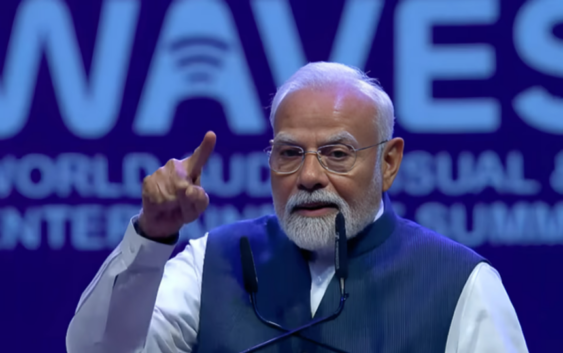
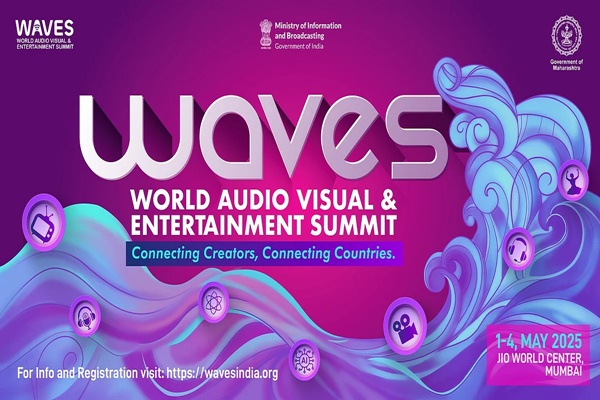
India’s first WAVES summit in 2025 was a landmark event—four days of global dialogue at the Jio World Convention Centre, inaugurated by Prime Minister Narendra Modi. With over 10,000 delegates from 90+ countries, it became a powerful platform for shaping the future of media and entertainment. From AI-driven content to the globalization of storytelling, the summit didn’t just explore trends—it set the stage for India’s role in redefining the world’s creative economy.
WAVES Bazaar 2025, a global business market initiative, successfully positioned India as a strategic content hub, securing over ₹250 crore in confirmed deals on its first day and a half. The event, held in Mumbai with participants from 22 countries, included major buyers like Netflix and Warner Bros. along with curated pitching sessions.
The WAVES Bazaar saw business deals worth over one thousand three hundred crore rupees with creators and filmmakers from across the country. During the summit, the WAVES declaration was adopted by representatives of 77 countries at the Global Media Dialogue. The cultural programmes during the four-day summit mesmerised the audience, which highlighted India’s vast artistic diversity through traditional folk dances, martial arts displays and vibrant drumming performances.
WAVES 2025 wasn’t just India’s first global audiovisual summit—it was a statement. With PM Modi’s vision at its core, it brought together over 10,000 delegates and 100+ international speakers across 140+ sessions, filling halls with energy and ideas. From AI in storytelling to the future of AVGC-XR and digital media, the summit sparked real dialogue—uniting creators, tech innovators, and policymakers in building a new era for India’s creative economy.
From AI-driven content to the globalization of storytelling, the summit didn’t just explore trends—it set the stage for India’s role in redefining the world’s creative economy.
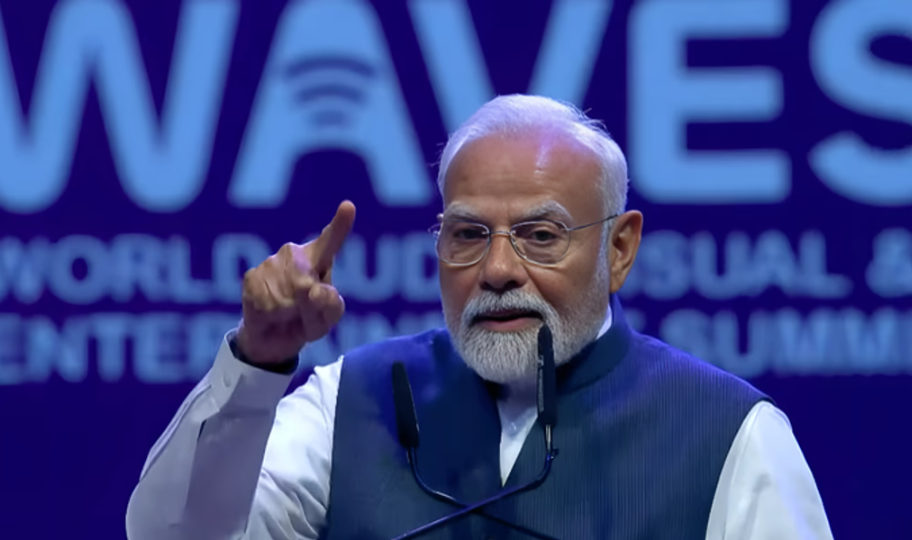
WAVES highlights India’s creative strengths on a global platform: PM Modi
World Audio Visual And Entertainment Summit, WAVES, is not just an acronym, It is a wave of culture, creativity and universal connectivity: PM Modi
India, with a billion-plus population, is also a land of a billion-plus stories: PM Modi
This is the right time to Create In India, Create For The World: PM Modi
Today when the world is looking for new ways of storytelling, India has a treasure of its stories dating back thousands of years, this treasure is timeless, thought-provoking and truly global: PM Modi
This is the time of dawn of Orange Economy in India, Content, Creativity and Culture – these are the three pillars of Orange Economy: PM Modi
This is the time of dawn of Orange Economy in India, Content, Creativity and Culture – these are the three pillars of Orange Economy: PM Modi
Today, India is emerging as a global hub for film production, digital content, gaming, fashion, music and live concerts: PM
To the creators of the world — dream big and tell your story, To investors — invest not just in platforms, but in people, To Indian youth — tell your one billion untold stories to the world: PM Modi
Prime Minister Modi’s inauguration of WAVES 2025 was more than ceremonial—it was visionary. Framing the summit as a “wave” of culture, creativity, and global connection, he welcomed artists, innovators, and leaders from over 100 countries, positioning India as a hub for the world’s creative future. By celebrating Maharashtra Day and Gujarat Statehood Day alongside this global gathering, he tied regional pride to national ambition. WAVES isn’t just an event—it’s the launchpad for a new era of storytelling, powered by collaboration and technology.
Prime Minister Modi’s reflection on India’s cinematic journey at WAVES 2025 was deeply resonant. By honoring Dadasaheb Phalke and the legacy of *Raja Harishchandra*, he rooted the summit in a century of storytelling that has carried Indian culture across borders. From Raj Kapoor in Russia to Satyajit Ray at Cannes, from A.R. Rahman’s global soundscapes to *RRR*’s Oscar triumph, he celebrated how Indian cinema doesn’t just entertain—it connects. And by highlighting icons like Guru Dutt, Ritwik Ghatak, and S.S. Rajamouli, he reminded us that artistry and cultural depth are India’s enduring currency on the world stage.
“This is the time of dawn of Orange Economy in India, Content, Creativity and Culture – the three pillars of Orange Economy”, exclaimed Shri Modi.
Prime Minister Modi’s closing remarks captured the true spirit of WAVES 2025—this wasn’t just a summit, but a movement. By celebrating the 100,000 creators from 60 countries who took part in the Creators Challenge and Creatosphere, he spotlighted a new global creative force. With 800 finalists emerging from 32 challenges, the stage is set for fresh voices to rise. His words weren’t just praise—they were a call to action: the world is watching, and the future of storytelling is now.
Prime Minister Modi’s vision for WAVES extends far beyond one summit—he sees it as a lasting wave of global creative unity. By calling for continued collaboration and announcing the future launch of the WAVES Awards, he’s setting a bold course: to create the most prestigious honors in art and creativity. His message is clear—this is just the beginning. With sustained effort, India can inspire the world, one story at a time.
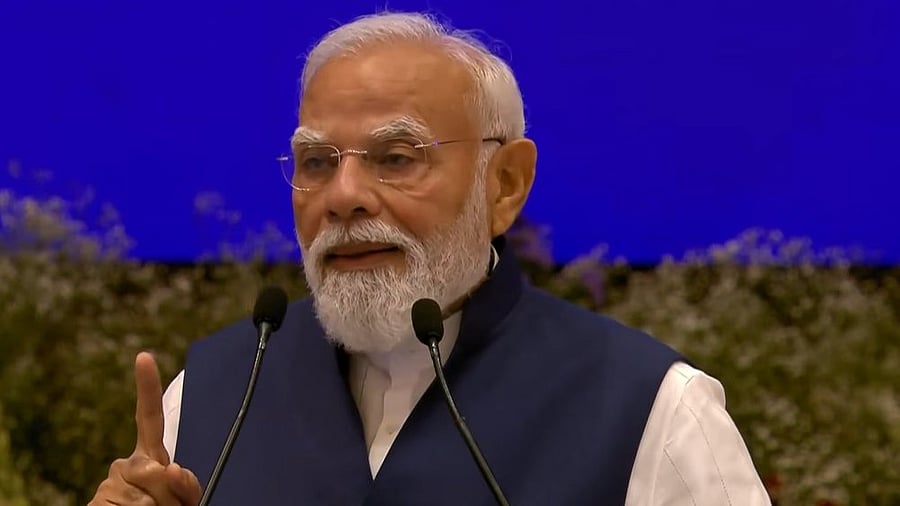
Prime Minister Modi beautifully tied India’s civilizational ethos to the spirit of WAVES—rooted in openness, enriched by diversity. By invoking India’s long tradition of welcoming communities like Parsis and Jews, he highlighted a culture that doesn’t just coexist but thrives through inclusion. His call to celebrate global artistry isn’t just diplomatic—it’s visionary. Through shared stories and mutual respect, WAVES can become a true bridge of creativity, where every nation’s voice finds resonance.
Prime Minister Modi’s invitation to the global creative community is both heartfelt and strategic—India’s stories aren’t just local; they’re universal in emotion and theme. By inviting the world to engage with Indian narratives, he’s opening a two-way exchange where cultural boundaries blur and creativity flows freely. This organic connection, he believes, will not only enrich global art but also amplify India’s own creative voice—making “Create in India” a truly global movement.
Prime Minister Modi’s insights highlight a cultural shift—Indian cinema isn’t just reaching global audiences, it’s resonating with them. With over 100 countries tuning in, often through subtitled content, the world is engaging more deeply than ever. The tenfold growth of India’s OTT space proves that even on micro screens, stories carry macro impact. And as Indian cuisine wins global hearts, he’s confident the same wave will lift Indian music—taking our soundtracks to the world stage.
Prime Minister Modi’s message to India’s young creators is clear: the Orange Economy is yours to shape. From Guwahati to Bengaluru, every voice matters. With government support through Skill India, startup initiatives, and global platforms like WAVES, the ecosystem is built to empower—not just celebrate—innovation. His vision is bold: where coding meets storytelling, and art fuses with AR, the future of creativity isn’t just imagined, it’s being built—by them, for the world.
Prime Minister Modi’s faith in India’s creators isn’t just encouragement—it’s recognition of a cultural revolution in motion. With young talent shaping everything from reels to AR-VR, gaming to stand-up, the creative pulse is undeniable. His firsthand interactions reveal a truth: this generation isn’t waiting for permission. WAVES, as he sees it, is their stage—designed for the fearless, the innovative, and the boundary-breakers redefining what Indian creativity means on the global canvas.
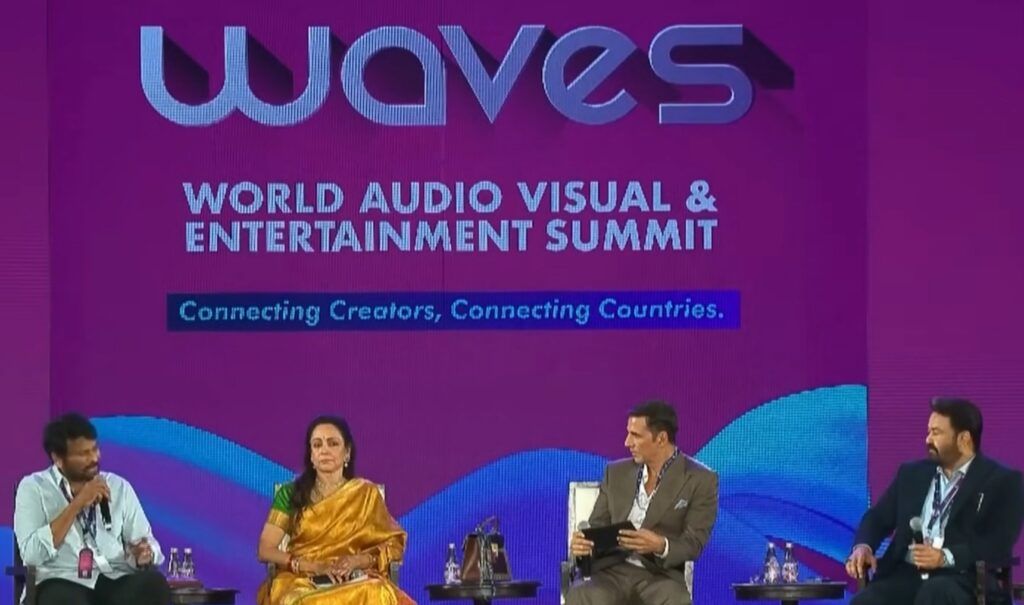
The inaugural panel – Legends and Legacies: The Stories that Shaped India’s Soul, featured acclaimed luminaries – Hema Malini, Mohanlal, and Chiranjeevi, and was moderated by superstar Akshay Kumar. The session served as a monumental gathering of India’s most revered cinema icons, celebrating the country’s profound storytelling legacy, creative evolutionary roots, and cultural diplomacy.
The panel provided a poignant blend of personal childhood reflections, artistic philosophies, and bold visions for the global future of Indian entertainment. Sharing deep insights into the evolving landscape of cinema, Mohanlal noted that the line between art films and commercial entertainers has become incredibly thin. He emphasized that Malayalam cinema focuses heavily on rich content and craftsmanship, proving that powerful storytelling is what truly moves people. Delivering a heartfelt reflection on his lifelong passion for acting, Chiranjeevi discussed his career goals of staying grounded, genuine, and deeply relatable. The megastar explained his lifelong strive to keep his performances so natural that audiences always viewed him as the boy next door. Finally, Hema Malini praised the landmark WAVES initiative as a visionary platform for the nation’s creative economy. She closed by thanking Prime Minister Narendra Modi for providing a massive global stage for Indian creators, tech innovators, and culture sectors. This discussion highlighted the enduring impact and evolution of Indian cinema on the world stage.
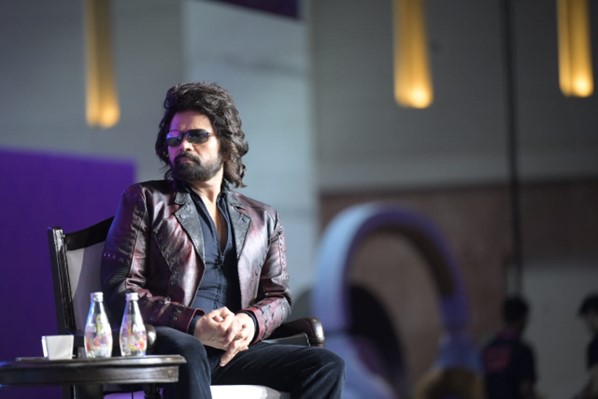
WAVES 2025 emerged as a transformative platform for India’s music industry, spotlighted by the high-impact session *“Taking Indian Music to New Heights.”* Bollywood icon Himesh Reshammiya praised the summit as a vital space for creators, emphasizing that while digital reach has never been greater, enduring success still hinges on melody and musical craftsmanship. He urged aspiring artists to keep their work refined and ready.
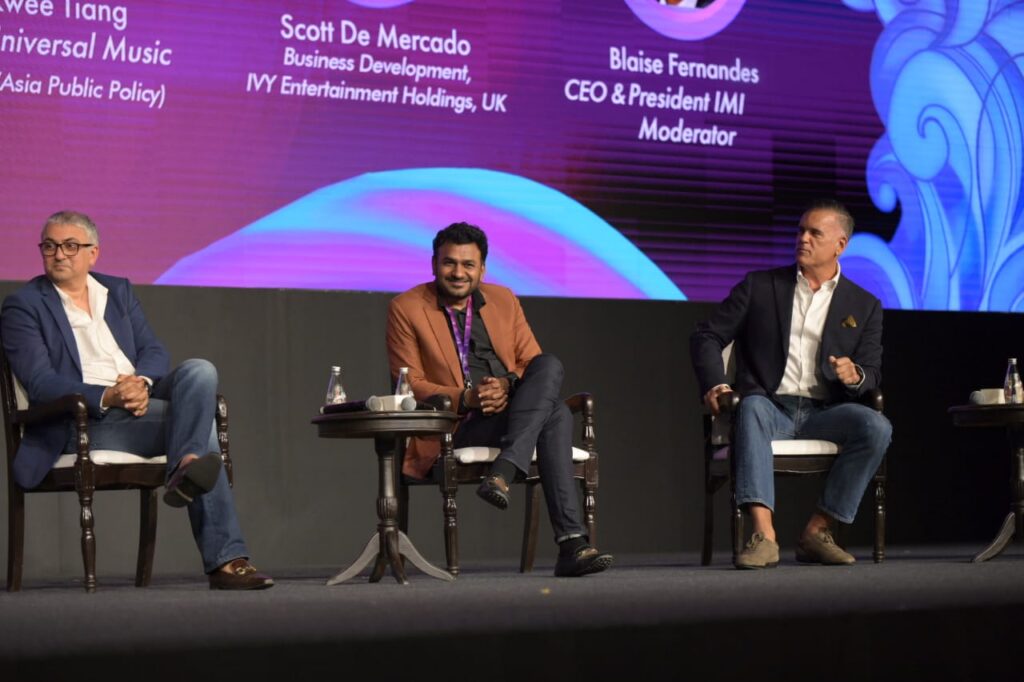
Industry leaders like Dinraj Shetty of Sony Music Publishing India highlighted the importance of understanding music rights in the streaming era, offering pathways for songwriters to monetize their art. Meanwhile, Jay Mehta of Warner Music Group India pointed to a critical gap: despite India’s rapid GDP growth, the music sector has lagged—calling for strategic investment and innovation to unlock its full potential. Together, the session underscored a shared vision: to elevate Indian music globally, one authentic note at a time.
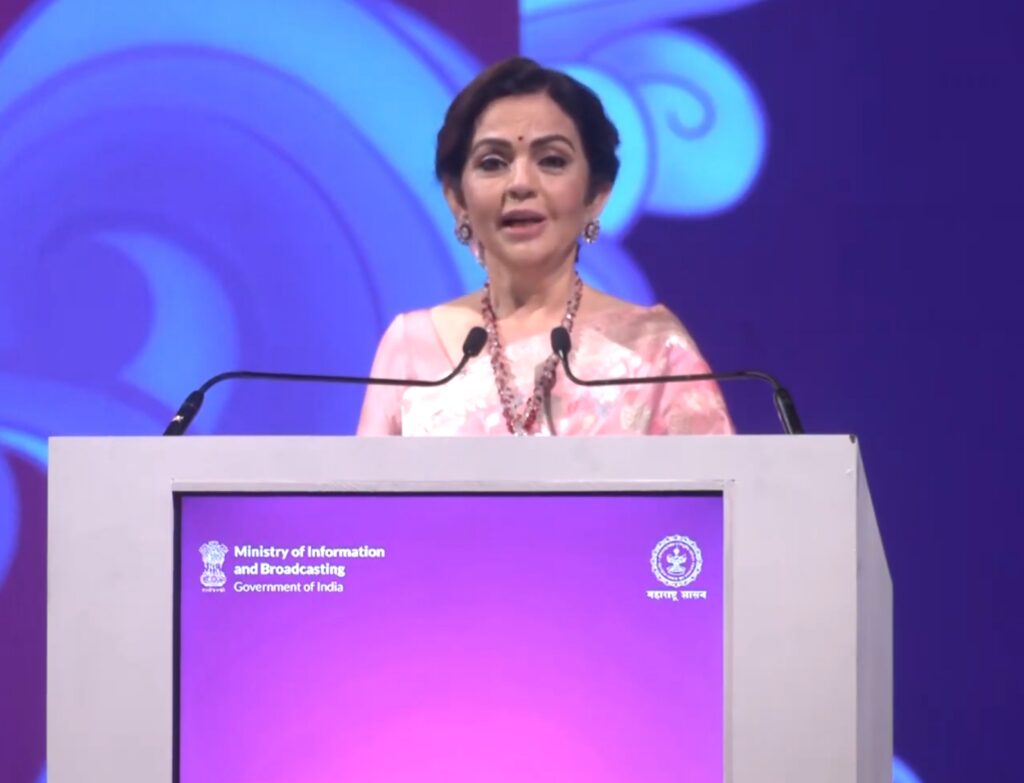
At the WAVES 2025 summit in Mumbai, Reliance Foundation Chairperson Nita Ambani delivered a powerful keynote on “Taking Indian Culture to the World.” She championed India’s rising cultural soft power, advocating for a future that seamlessly blends technological innovation with ancient wisdom, and highlighted initiatives to showcase Indian heritage globally.
The Confluence of Ancient Wisdom and Digital Innovation
At the World Audio Visual Entertainment Summit (WAVES) 2025 in Mumbai, Reliance Foundation Chairperson Nita Ambani delivered a powerful vision for India’s global role, urging a harmonious blend of “Ancient Intelligence” and Artificial Intelligence. She emphasized that true modern progress must not discard ancestral wisdom, advocating for a future where technological data is guided by dharma to serve humanity ethically. Describing India as a timeless cradle of civilization, she highlighted its foundational contributions to the world—ranging from the concept of zero (Shunya) and the sacred syllable “OM” to Sanskrit, Yoga, and Ayurveda. Ambani noted that this rich artistic and spiritual heritage is rapidly transforming into a potent force of global connection and soft power.
Elevating Indian Heritage and Artistry on the Global Stage
A central theme of her keynote address was the international celebration of Indian talent and craftsmanship. She credited Prime Minister Narendra Modi with amplifying India’s voice globally and praised contemporary cultural icons like Anoushka Shankar, Vikas Khanna, and Priyanka Chopra for carrying the nation’s spirit into international music, culinary arts, and cinema. Reaffirming her commitment to India’s grassroots creators, Ambani spotlighted Swadesh, a Reliance Foundation initiative dedicated to preserving traditional arts and securing sustainable livelihoods for native artisans.
In a major announcement illustrating this global push, she revealed that the Nita Mukesh Ambani Cultural Centre (NMACC) will host an “Indian Weekend” at the iconic Lincoln Center in New York, directly showcasing the depth of India’s arts, crafts, and cuisine to an international audience.
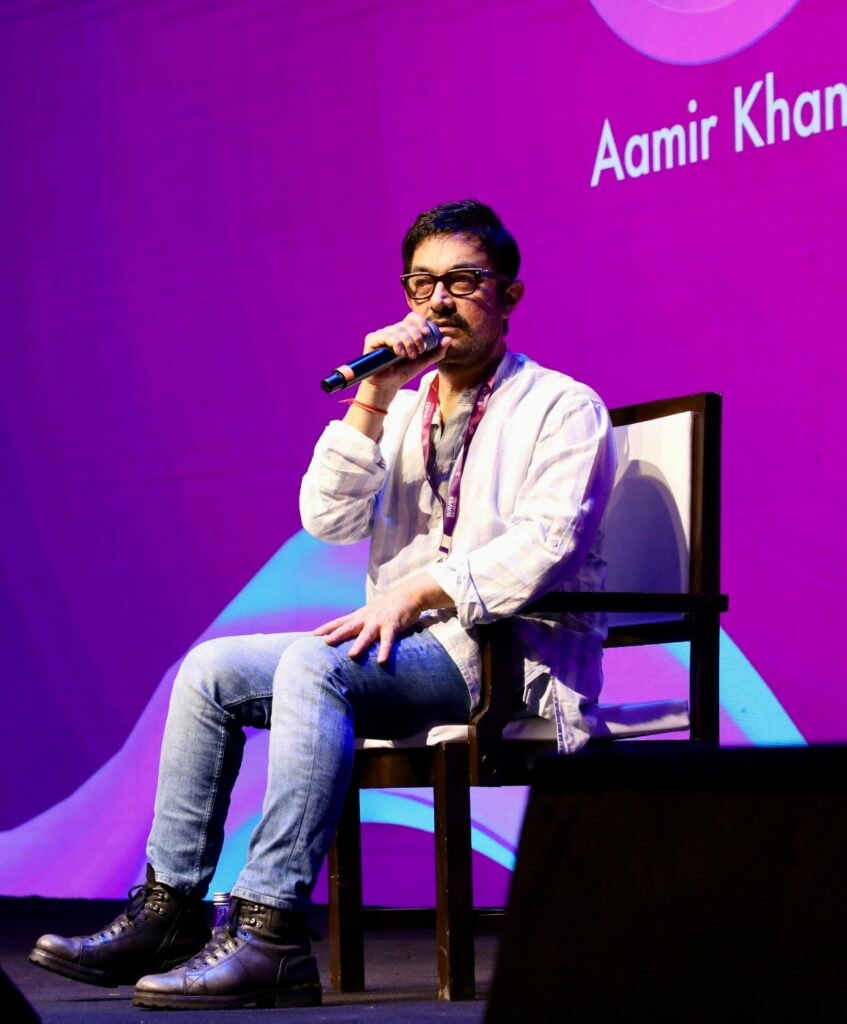
Aamir Khan Shares His Creative Blueprint and Practical Wisdom in “The Art of Acting” Masterclass at WAVES India 2025
At the inaugural World Audio Visual & Entertainment Summit (WAVES) 2025, held at the Jio World Convention Centre in Mumbai, veteran actor-filmmaker Aamir Khan delivered a highly anticipated masterclass titled “The Art of Acting.” Speaking to a packed audience of aspiring creators on the summit’s Creatosphere stage, Khan pulled back the curtain on his decades-long career. He demystified his rigorous preparation process, offering practical, actionable advice for the next generation of talent while addressing critical structural challenges facing the Indian entertainment industry.
The cornerstone of Khan’s acting philosophy rests on absolute script immersion and thorough memorization. He revealed that he spends months repeatedly reading a script until his character’s physicality and attitude flow completely naturally. Due to what he describes as a weak memory, Khan relies on a unique tactile habit: he handwrites all of his dialogues. For difficult or pivotal scenes, he begins practicing daily up to four months before the cameras start rolling. This exhaustive repetition ensures that by the time he steps onto the set, the lines no longer feel like a writer’s script but flow as his own raw, spontaneous thoughts. Crucially, Khan explicitly warns aspiring actors against looking into a mirror while practicing their scenes. In his view, acting must stem entirely from emotional honesty and⁵⁵⁵. internal feeling rather than a superficial concern over how one’s face looks. He also emphasized that structural clarity is vital to storytelling, noting that a truly powerful film should have a premise cohesive enough to be summed up in a single, punchy line. For instance, he defined the core theme of his landmark film Lagaan as simply, “Where there is a will, there is a way.”
Beyond individual craft, Khan utilized the government-backed platform to advocate for massive infrastructural reforms in Indian cinema. He pointed out a glaring bottleneck in the domestic market: India operates with only about 10,000 cinema screens, meaning a mere 2% of the population actually watches theatrical releases. To unlock the true potential of the creative economy, he urged immediate investments to build more theatres in rural towns and districts. Turning his attention to technological disruptions, Khan called the capabilities of modern Artificial Intelligence both amazing and a bit scary, particularly its power to digitally insert an actor into a pre-shot scene. Ultimately, he lauded the WAVES summit as a critical bridge for turning direct industry dialogue into active government policy.
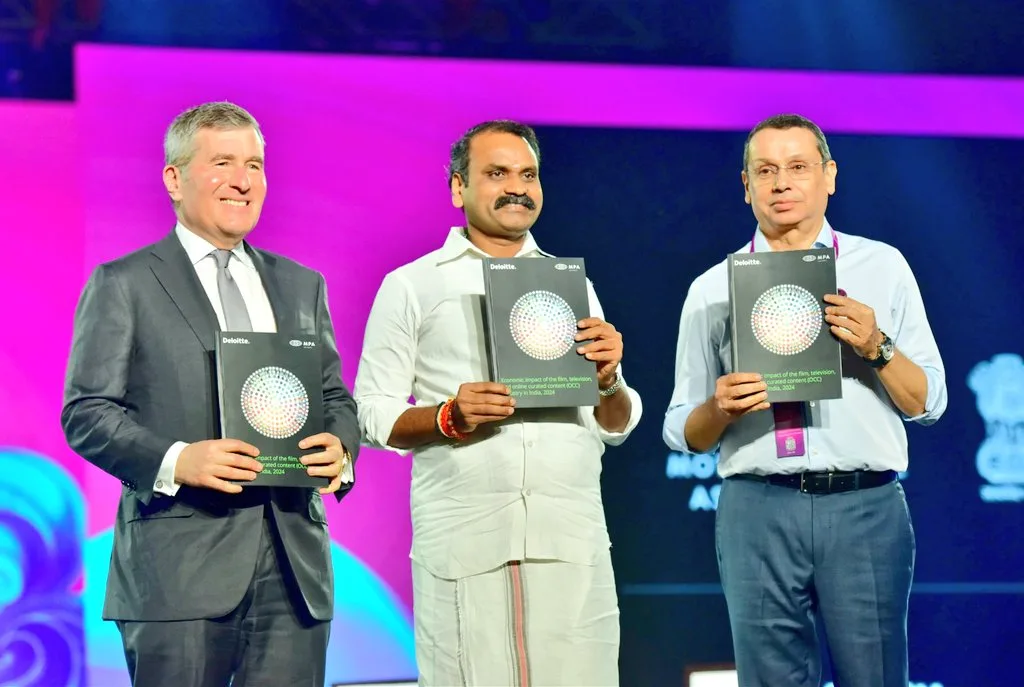
At the World Audio Visual & Entertainment Summit (WAVES) 2025, Union Minister Dr. L Murugan unveiled a landmark White Paper titled “India’s Live Events Economy: A Strategic Growth Imperative.” Commissioned by the Ministry of Information & Broadcasting and prepared by EventFAQs Media, the document highlights the sector’s immense economic impact, noting that large-scale events generate thousands of local jobs in technical, logistical, and hospitality roles. The strategic roadmap aims to position India among the top five global destinations for live entertainment by 2030 through policy reforms, improved infrastructure, and public-private partnerships.
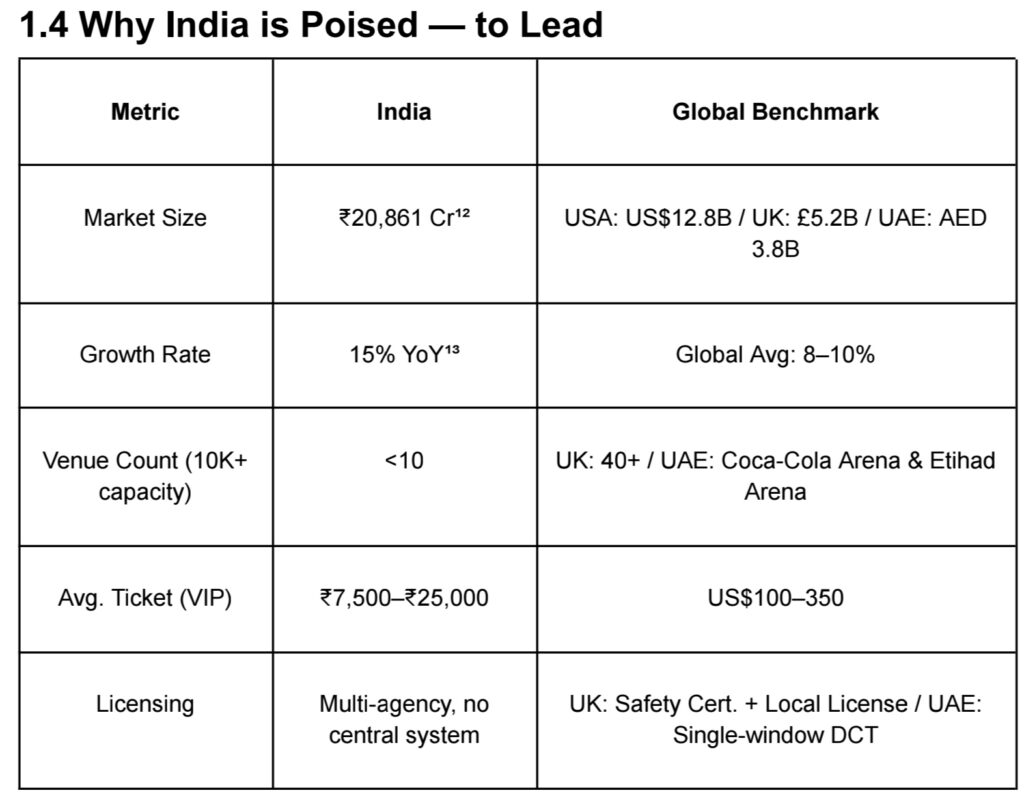
Market Size and Economic Impact
Rapid Growth: The organized live events segment grew by 15% year-on-year, reaching a market valuation of ₹20,861 crore.
Revenue Injection: The sector generated an incremental ₹13 billion in revenue in a single financial year, making it one of the fastest-growing verticals in the entire Media & Entertainment ecosystem.
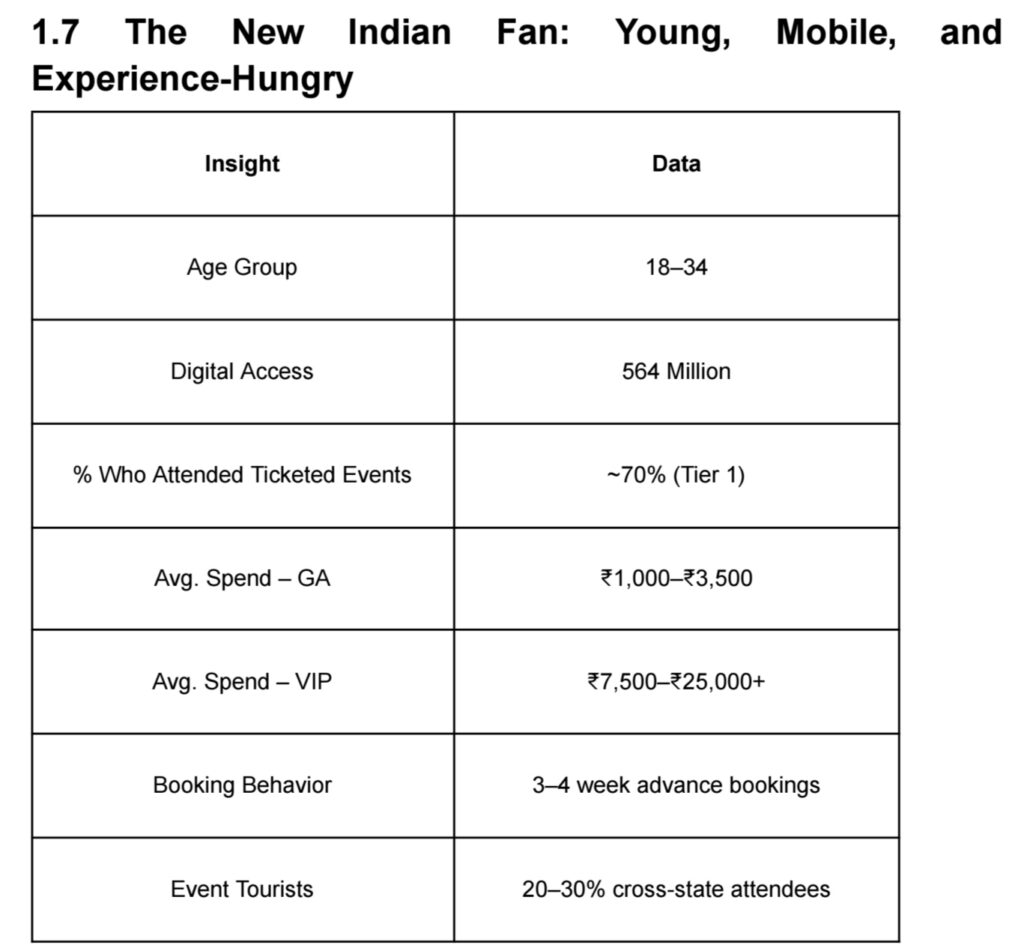
Key Industry Trends
Event Tourism Boom: Close to 500,000 fans travelled intercity specifically to attend major live music events, establishing a highly lucrative music-tourism economy.
Premiumization: High-end ticketing segments, including VIP experiences, curated access, and luxury hospitality packages, experienced a massive 100%+ year-on-year growth.
Tier-2 Hubs Emergence: Multi-city tours and regional festivals have triggered a massive surge in event participation across Tier-2 cities like Chandigarh, Shillong, Vadodara, and Jamshedpur.
Global Hub Re-establishment: High-profile, sold-out stadium performances by international artists like Coldplay in Mumbai and Ahmedabad highlight India’s readiness for mega-scale global concert tours.
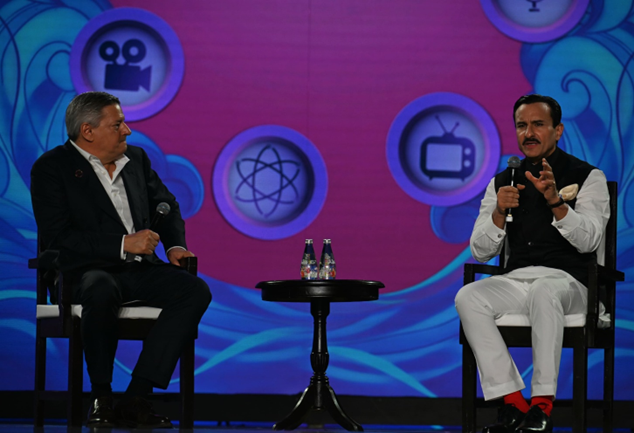
Netflix Co-CEO Ted Sarandos praised the inaugural WAVES Summit 2025 as a vital catalyst for connecting global and Indian entertainment sectors. Speaking at the World Audio Visual and Entertainment Summit (WAVES) in Mumbai, Sarandos highlighted how streaming platforms have democratised Indian filmmaking, giving local creators unparalleled global reach.
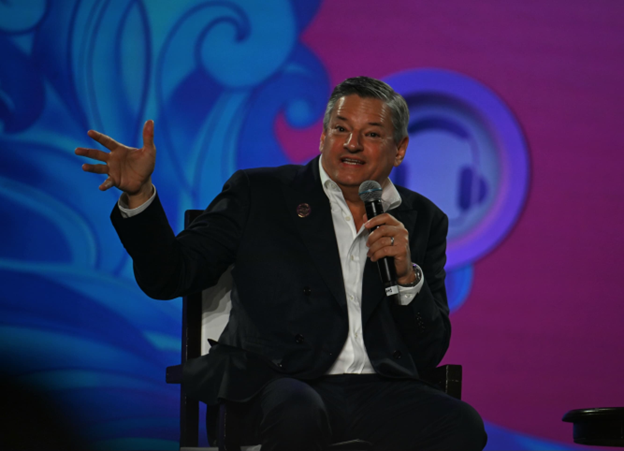
Key Takeaways from the Discussion
Sarandos shared the stage with actor Saif Ali Khan for a panel titled “Streaming the New India: Culture, Connectivity, and Creative Capital”.
The session emphasized several core themes:Economic Impact:
Netflix’s investments in India generated over $2 billion in economic impact post-COVID.
Job Creation: The platform collaborated with 25,000 local cast and crew members.
Widespread Footprint: Productions expanded to over 100 towns and cities across 23 Indian states.
Coexistence with Cinema: Sarandos affirmed that streaming and traditional theatres are not competitors, but complementary forces in a massive market.
Cultural Authenticity: Both speakers agreed that authentic stories deeply rooted in Indian culture resonate most powerfully with international audiences.
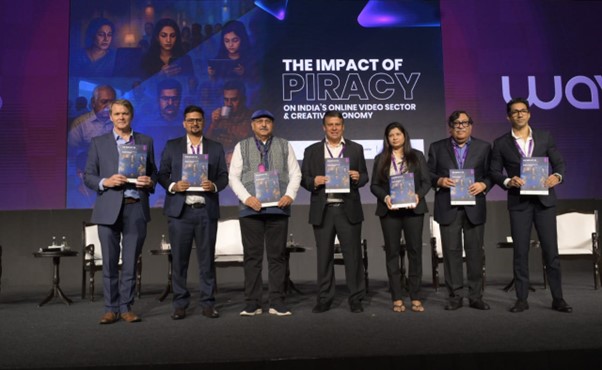
At the WAVES 2025 summit, global industry leaders issued an urgent appeal for a multi-dimensional strategy to combat digital content piracy, framing it as a mainstream economic and cybersecurity crisis rather than a fringe problem. The high-level panel discussion, titled “Piracy: Safeguarding Content through Technology,” highlighted how unchecked piracy cripples industry revenue and exposes younger demographics to aggressive malware networks.
Digital piracy is evolving into a significant economic and cybersecurity threat, projected to drain over 10% of global media revenue by 2029 while acting as a conduit for ransomware and malware targeting consumers. Combating this requires a multi-layered approach combining AI-driven detection, proactive legal prosecution of infrastructure, and international cooperation between law enforcement and industry leaders. To learn more about emerging strategies, read the full analysis at WAVES 2025.
Industry leaders outlined a multi-layered anti-piracy strategy focusing on proactive measures, including invisible watermarking for immediate leak detection, aggressive prosecution of primary sources, and the integration of AI and blockchain technologies. Further initiatives involve collaborative, cross-border efforts with organizations like the CBI and Interpol, alongside enhanced consumer education.
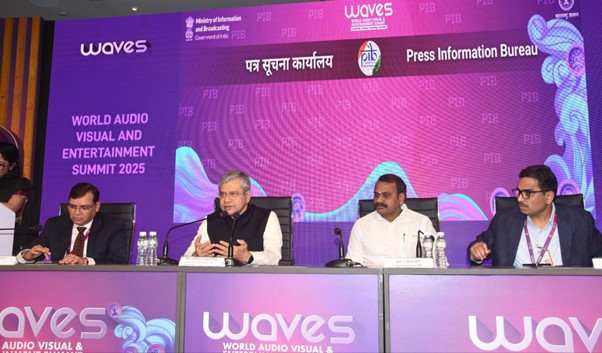
The establishment of the Indian Institute of Creative Technology (IICT) at the WAVES Summit 2025 in Mumbai marks a monumental shift in India’s digital media landscape, positioning the country to become a dominant global force in the Animation, Visual Effects, Gaming, Comics, and Extended Reality (AVGC-XR) sector. Spearheaded by Union Minister Ashwini Vaishnaw, this National Centre of Excellence is structurally modeled after the prestigious IITs and IIMs to institutionalise world-class creative education and technological innovation. To bridge the gap between academic theory and industry reality, the institute has locked in powerful, long-term strategic collaborations with global technology and entertainment titans. By securing partnerships and Letters of Intent with market-defining platforms—including Google (and YouTube), Microsoft, Meta, Apple, Adobe, NVIDIA, Wacom, and JioStar—IICT ensures its student body receives direct enterprise support, industry-validated curriculum design, cutting-edge hardware integrations, and direct pathways to elite internships, scholarships, and international job placements.
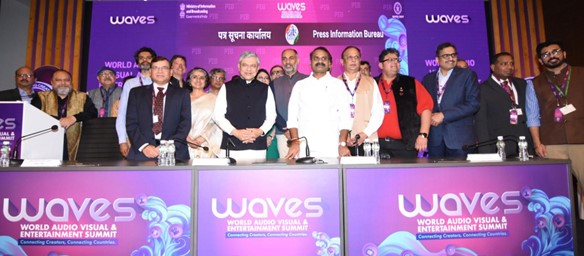
Operationally, the institute is executing a highly scalable, multi-phased infrastructure rollout designed to decentralise creative education while providing unmatched, state-of-the-art resources. Phase 1 is already fully operational within the NFDC Building on Pedder Road in Mumbai, acting as an immediate launchpad equipped with advanced animation and gaming labs, editing and sound suites, virtual production setups, and immersive studios. This footprint will massively expand during Phase 2 with the construction of a sprawling 10-acre flagship campus at Film City in Goregaon, which will eventually be supported by regional centres across the country. Currently catering to hundreds of early-enrolled creators across 18 highly specialized courses, IICT is also focusing heavily on grassroots ecosystem development by conceiving and driving early AVGC-XR orientation projects across 1,400 schools nationwide. By combining elite corporate backing with rapid structural scaling, India is actively replicating its historic IT success story within the global creative economy.
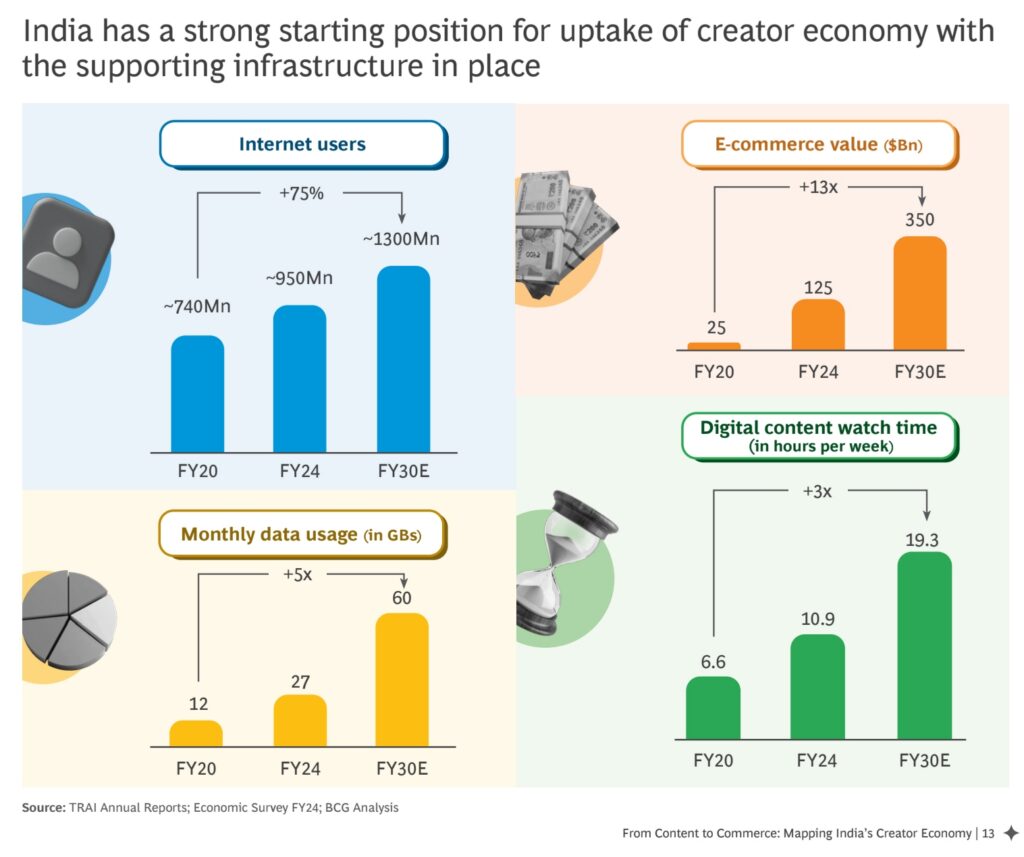
India’s creator economy is a major economic engine, with 2 to 2.5 million monetized creators influencing $350–$400 billion in annual consumer spending, projected to exceed $1 trillion by 2030 [BCG report at WAVES India 2025]. The sector is pivoting from transactional partnerships toward authentic, long-term brand collaborations based on consumer trust [BCG report at WAVES India 2025].
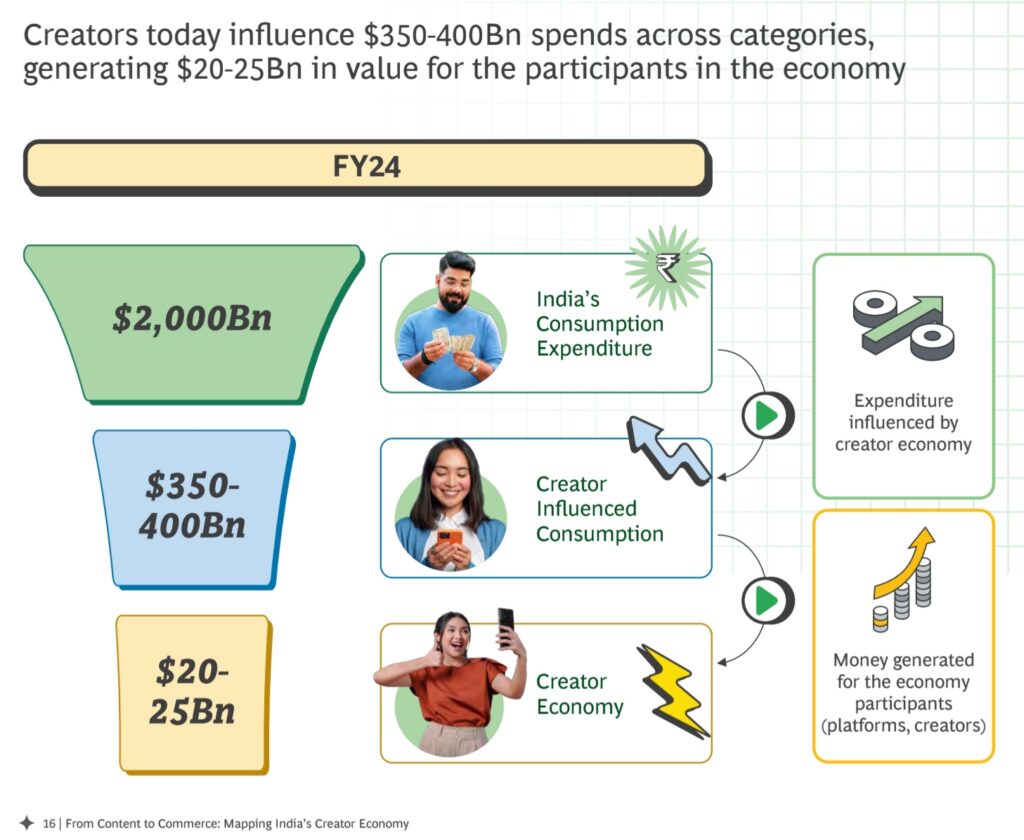
To unlock this potential, the industry must adopt diverse monetization models, such as virtual gifting and live commerce, while overcoming challenges related to ROI measurement and brand safety [BCG report at WAVES India 2025]. Generative AI is identified as a critical tool for scaling production, while navigating the need for localized, high-trust content [BCG report at WAVES India 2025].
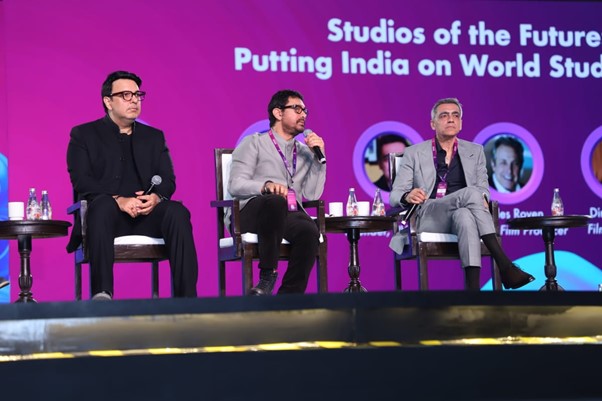
At the WAVES 2025 summit in Mumbai, actor Aamir Khan praised the Indian government’s unprecedented interest in the entertainment sector during a panel focused on placing India on the global studio map. Khan highlighted the critical need for expanding international distribution and fixing the domestic infrastructure deficit, noting that India’s roughly 10,000 screens severely lag behind markets like the US and China. Joined by industry leaders like Oppenheimer producer Charles Roven and filmmaker Dinesh Vijan, the panel criticized the current trend of shrinking theatrical windows before OTT releases, urging creators to instead focus on authentic storytelling, global partnerships, and advanced technology to drive international expansion.
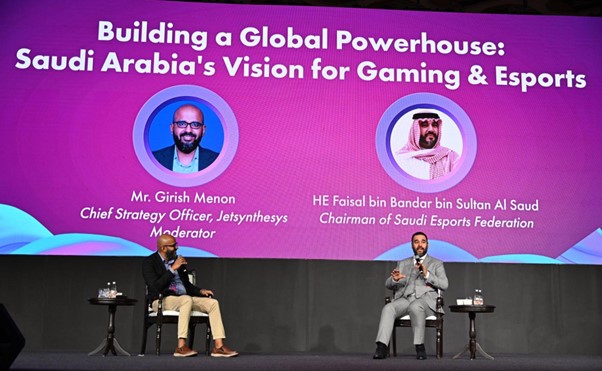
At the WAVES 2025 Summit in Mumbai, the session “Building a Global Powerhouse: Saudi Arabia’s Vision for Gaming & Esports” highlighted the Kingdom’s strategy to become a premier global gaming hub. Driven by a population where over 67% identify as gamers, Saudi Arabia is investing heavily in grassroots talent through the Saudi Esports Academy and anchoring its presence with mega-events like the Esports World Cup.
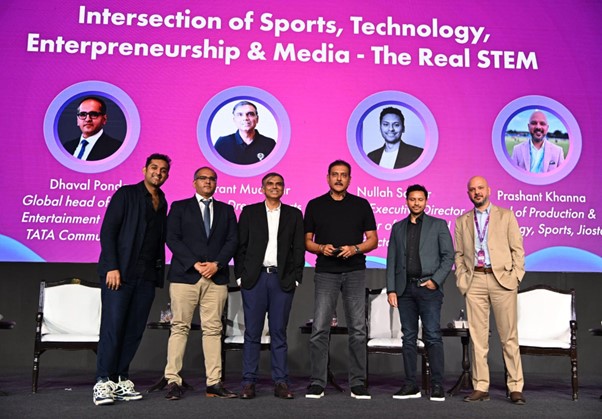
The discussion emphasized creating sustainable career pathways in event production, coaching, and game design, while bridging the Indian and Saudi gaming markets to transform fans from passive viewers into active digital participants.
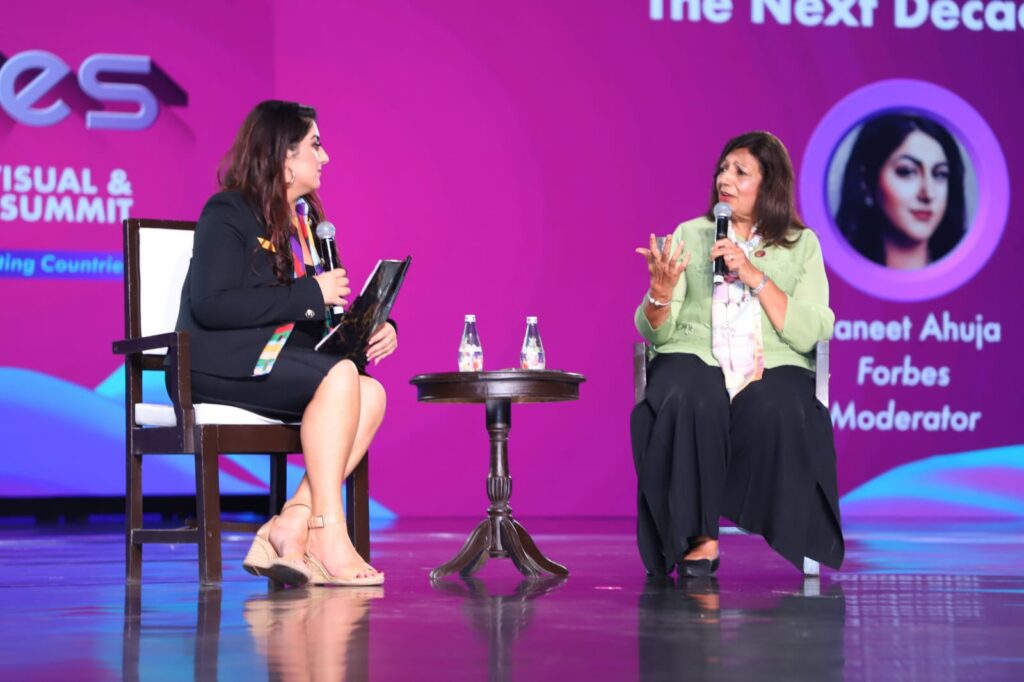
At the WAVES Summit, Biocon Founder – Kiran Mazumdar-Shaw urged Indian creative startups to build global brands by leveraging Intellectual Property (IP) and advanced technologies like AR, VR, and immersive storytelling. She emphasized that future creative unicorns must blend deep cultural narratives with technology to reach international audiences, tapping into the potential of the “Orange Economy.”
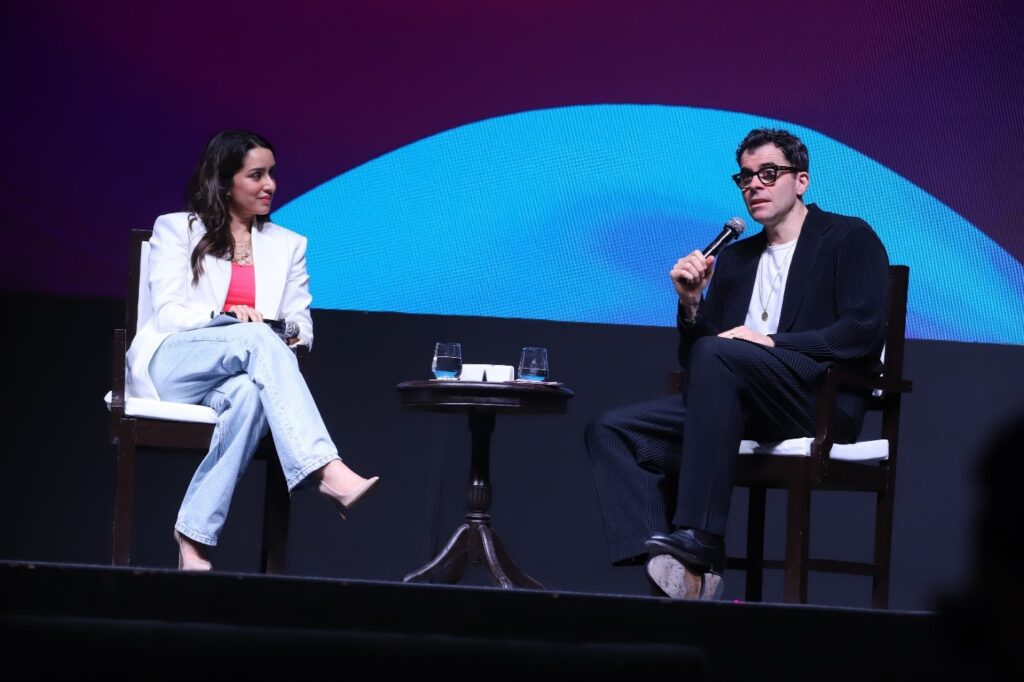
At the WAVES 2025 summit, actress Shraddha Kapoor and Instagram Head Adam Mosseri celebrated India’s rise as a global content powerhouse. Kapoor called it a “golden time” for Indian storytellers, while Mosseri highlighted an unprecedented surge in content creation driven by cheaper data and widespread mobile access. Their conversation underscored how smartphones have democratized content, allowing highly diverse, multilingual, and authentic video formats like Reels to transcend regional boundaries and foster deeper global connections.
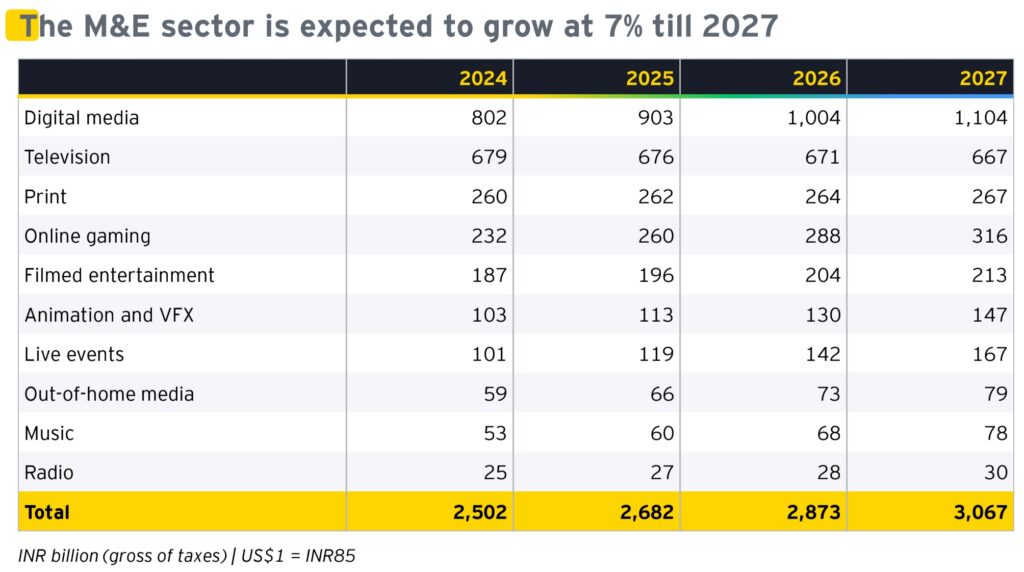
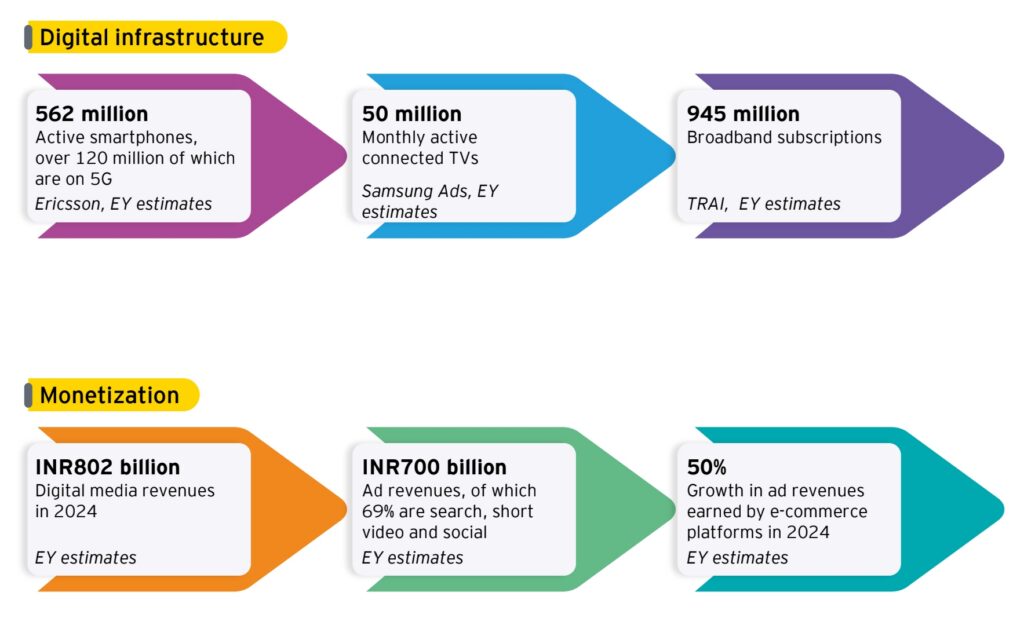
The “A Studio Called India” report by Ernst & Young highlights the country as a leading global hub for media and content creation, supported by 2.8 million professionals generating 200,000+ hours of content annually. India offers a 40% to 60% cost advantage in animation and VFX, with international viewers making up 25% of the viewership on global streaming platforms.
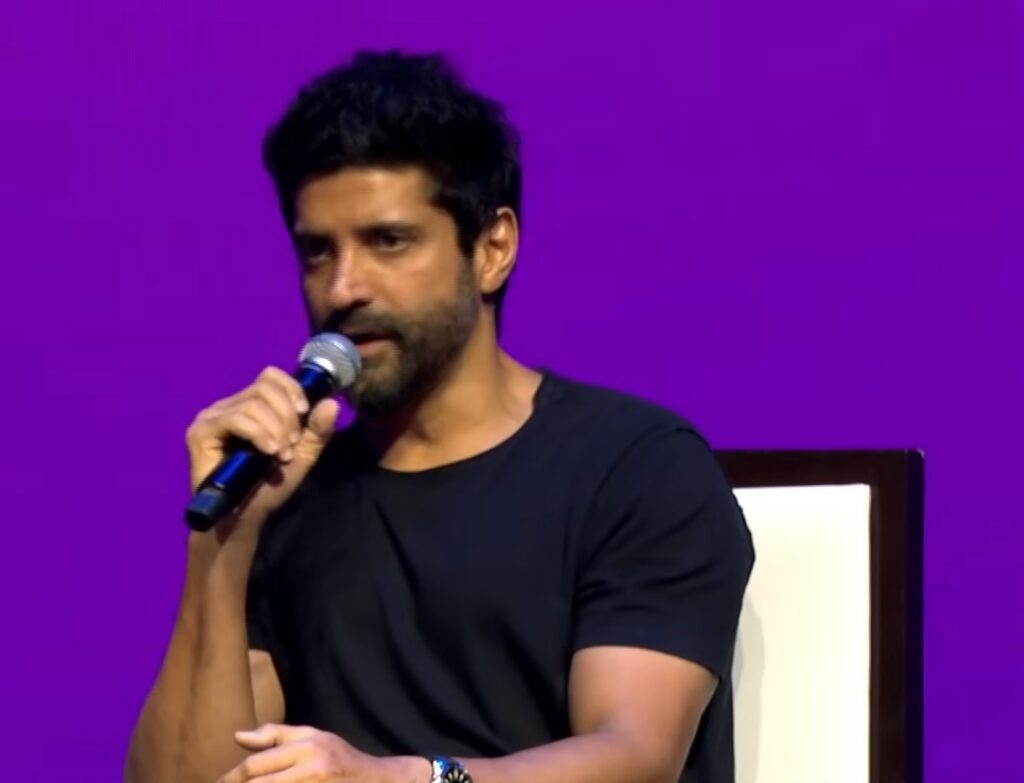
At the WAVES 2025 Summit in Mumbai, artist Farhan Akhtar delivered a cinematic masterclass titled “The Craft of Direction,” moderated by Gaurav Kapur, where he reflected on his creative journey and the philosophy behind films like Dil Chahta Hai and Don. Akhtar emphasized the importance of authenticity, urging creators to write their own unique narratives, and credited his father, Javed Akhtar, as his most honest critic.
He highlighted the need for resilience against industry rejection. He also revealed that the concept for the Don remake was inspired while travelling by train.
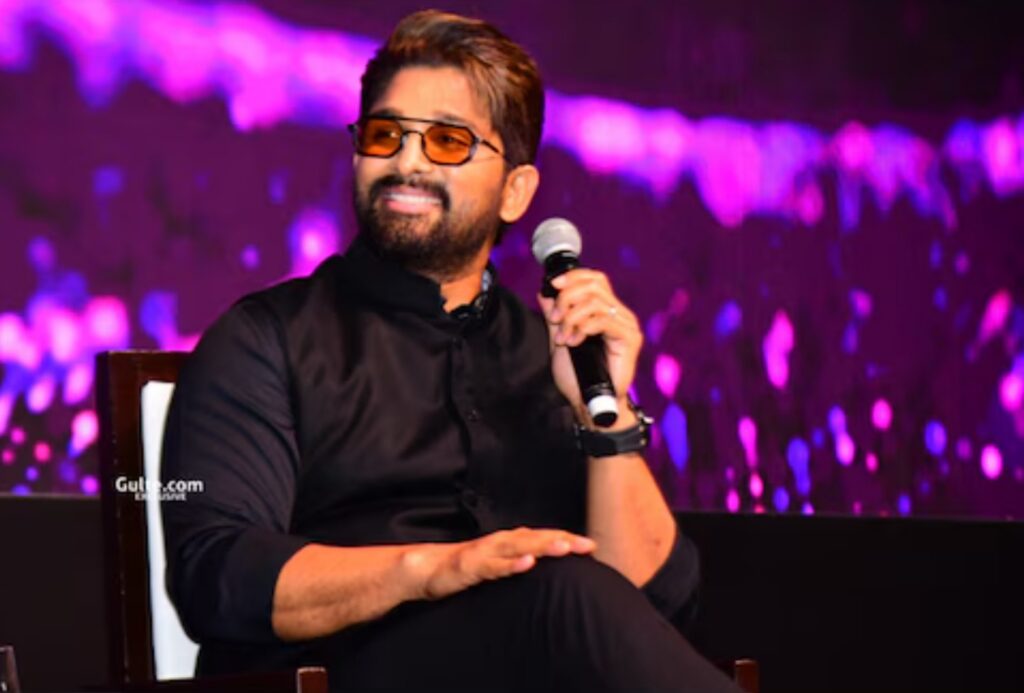
Actor Allu Arjun made this statement during an ‘In Conversation’ session titled ‘Talent Beyond Borders’ at the inaugural World Audio Visual Entertainment Summit (WAVES) 2025, which was held at the Jio World Centre in Mumbai and inaugurated by Prime Minister Narendra Modi. He emphasized that while India has always possessed a rich cultural soul for storytelling, modern global platforms and summit initiatives now give domestic creators the infrastructure they need to scale globally. By bridging the gap between local talent and international distribution, he noted that India is uniquely positioned to transition from a consumer market into the world’s premier hub for media, tech, and creative content.
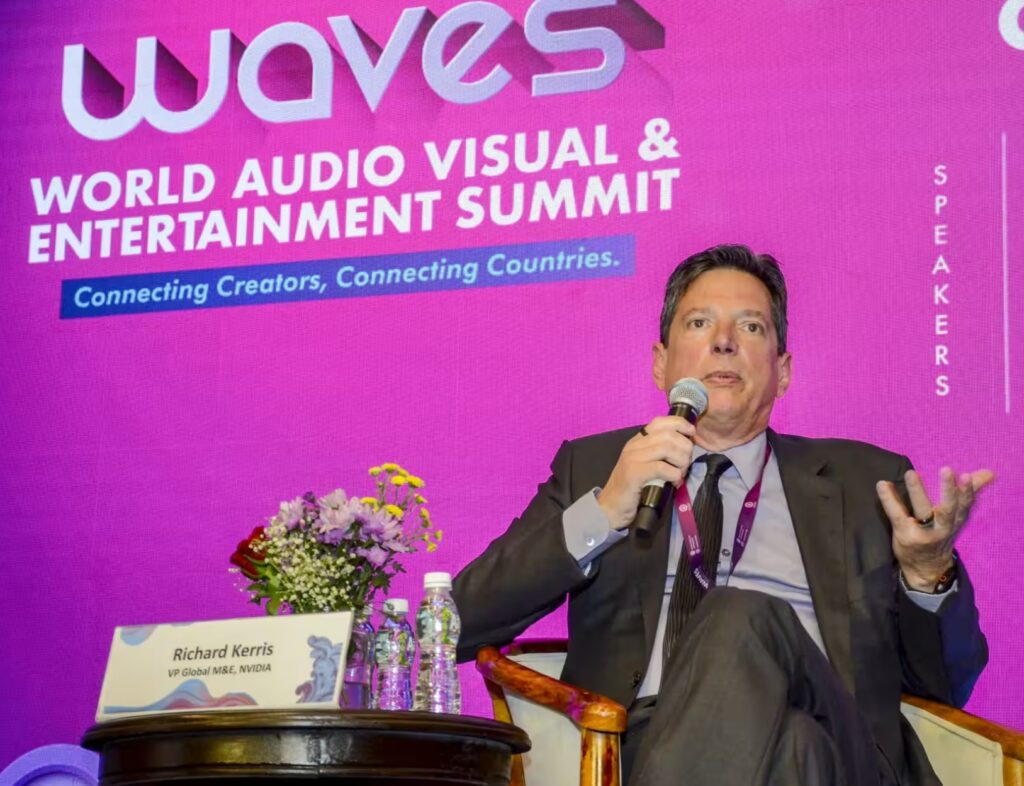
The WAVES 2025 summit positioned India as an emerging creative superpower, shifting from a global production hub to a creator of original cultural IP. Industry leaders, including NVIDIA’s Richard Kerris, emphasized that generative and agentic AI tools will not replace human jobs but will instead serve as accelerators for digital expression. By integrating real-time workflows and advanced foundational models, local creators can overcome hardware limitations, streamline production, and upscale regional storytelling into high-quality global content.
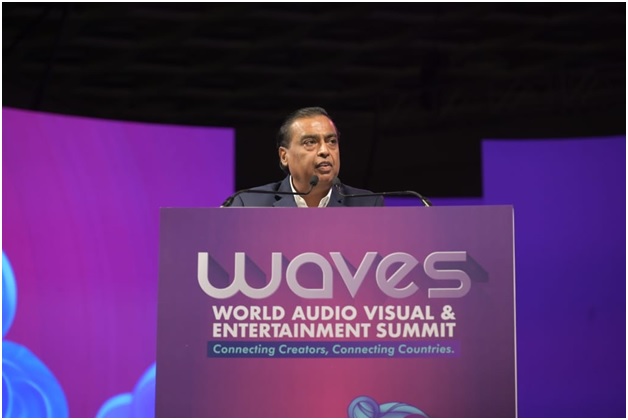
At the World Audio Visual and Entertainment Summit (WAVES) 2025 in Mumbai, Reliance Industries Chairman Mukesh Ambani declared India’s readiness to lead a global entertainment revolution, projecting the nation’s Media and Entertainment sector to skyrocket from $28 billion to $100 billion over the next decade. He emphasized that this massive growth will be driven by India’s rich storytelling heritage, a young and dynamic workforce, and the transformative power of Artificial Intelligence, which he viewed as a foundational force a million times more impactful than early cinema technology. Focusing heavily on the rising influence of the Global South, Ambani positioned India as a beacon of unity and creativity, concluding that the summit should serve as a powerful message of hope from a resurgent new India to a polarized world.
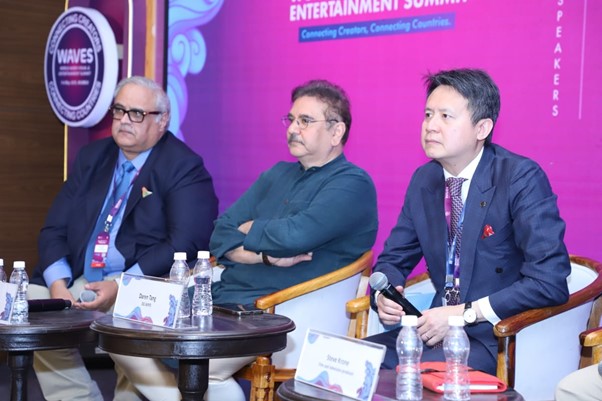
At the 2025 WAVES summit, WIPO Director General Daren Tang called for a transformation of the global intellectual property (IP) ecosystem, urging nations to view IP not merely as a legal asset but as a powerful catalyst for job creation, economic development, and innovation. To achieve this, Tang emphasized shifting focus toward grassroots innovators, youth, and small businesses, while leveraging updated data models to better support the global creative economy and help emerging nations transition into knowledge-based societies.
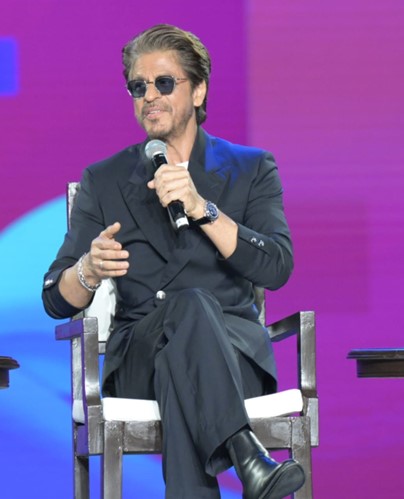
At the inaugural World Audio Visual and Entertainment Summit (WAVES) 2025 in Mumbai, actor Shah Rukh Khan praised the event as a pivotal initiative for amplifying India’s global cultural footprint and advancing the “Create in India, Create for World” mission. Khan urged the industry to blend traditional storytelling with emerging technology, advocating for international co-productions and improved domestic accessibility to firmly position India as a premier, sovereign-backed global entertainment hub.
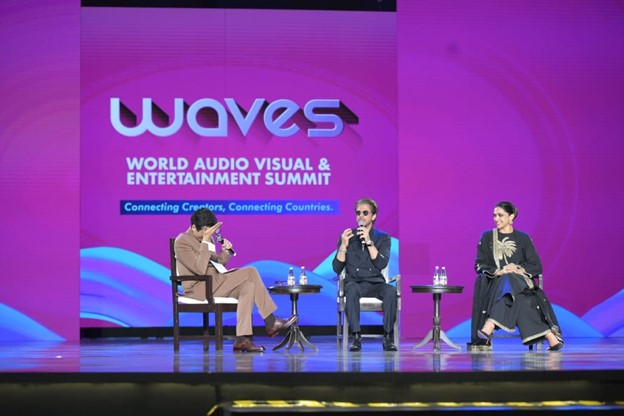
Deepika Padukone attended the WAVES (World Audio Visual & Entertainment) Summit 2025 at the Jio World Centre in Mumbai, participating in a highly anticipated panel discussion titled “The Journey: From Outsider To Ruler” alongside Shah Rukh Khan and Karan Johar.
The Bollywood superstar captivated the audience in an elegant, sand-colored embroidered kurta set with delicate floral motifs. During the discussion, she reflected on her journey of moving to Mumbai at age 18 and praised her frequent co-star Shah Rukh Khan for his deep, inherent respect toward women. The event made headlines not just for their conversation, but also for a heartwarming moment backstage where Mira Rajput helped adjust Deepika’s dupatta before the session.
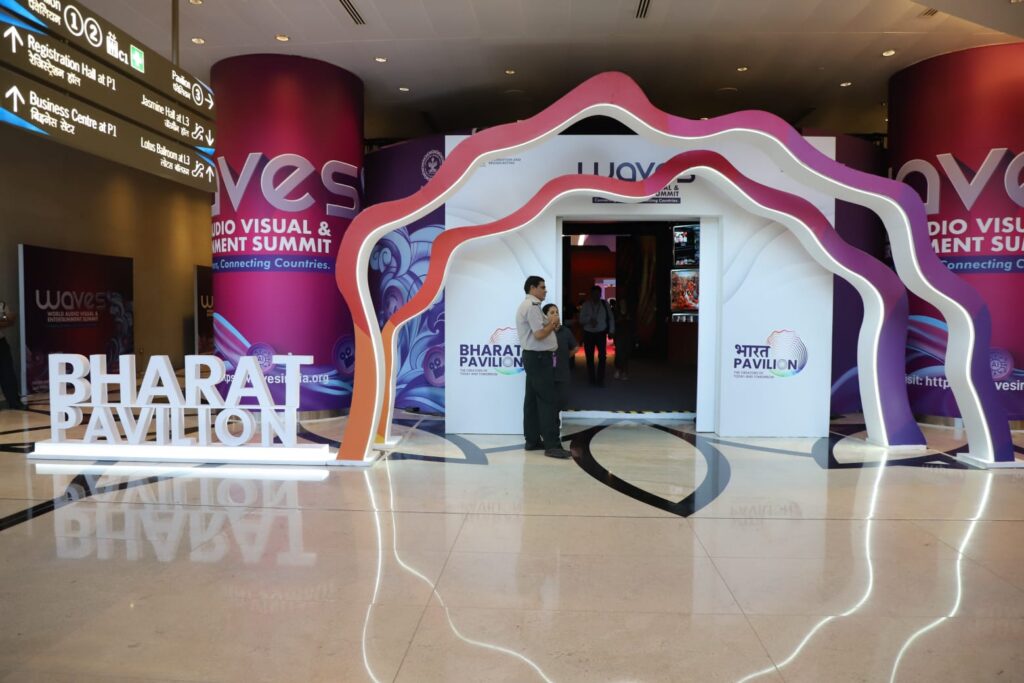
The Bharat Pavilion at the WAVES Summit, held from May 1–4, 2025, at the Jio World Convention Centre in Mumbai, showcased India’s creative transformation under the theme “From Kala to Code.” Welcoming over 100,000 visitors—including Prime Minister Narendra Modi—the pavilion featured a massive 360-degree LED environment by Pixadoo and was structured around interactive cultural zones like Shruti (oral traditions) and Kriti (written legacies) to merge ancient heritage with modern digital technology. This landmark exhibition served as a primary anchor for the summit, positioning India to capture a $50 billion share of the global entertainment economy by 2029.
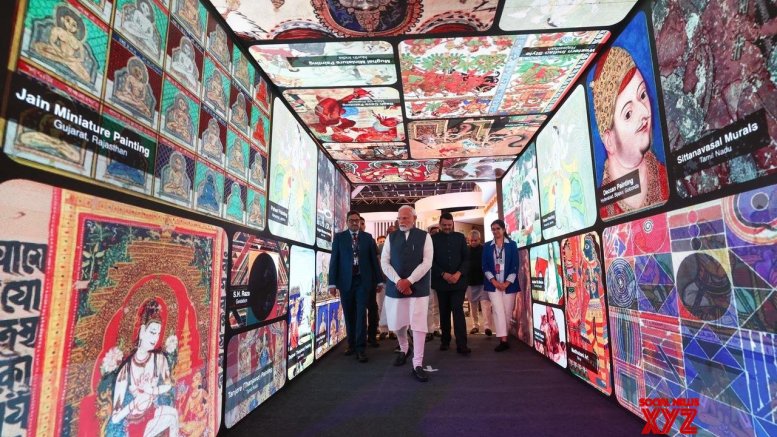
Prime Minister Narendra Modi inaugurated the inaugural World Audio Visual and Entertainment Summit (WAVES 2025) in Mumbai, featuring the 1,470-square-metre “Bharat Pavilion” themed “From Kala to Code”. The summit brought together over 10,000 delegates from more than 90 countries, with Modi urging global creators to “Create in India, Create for the World”.
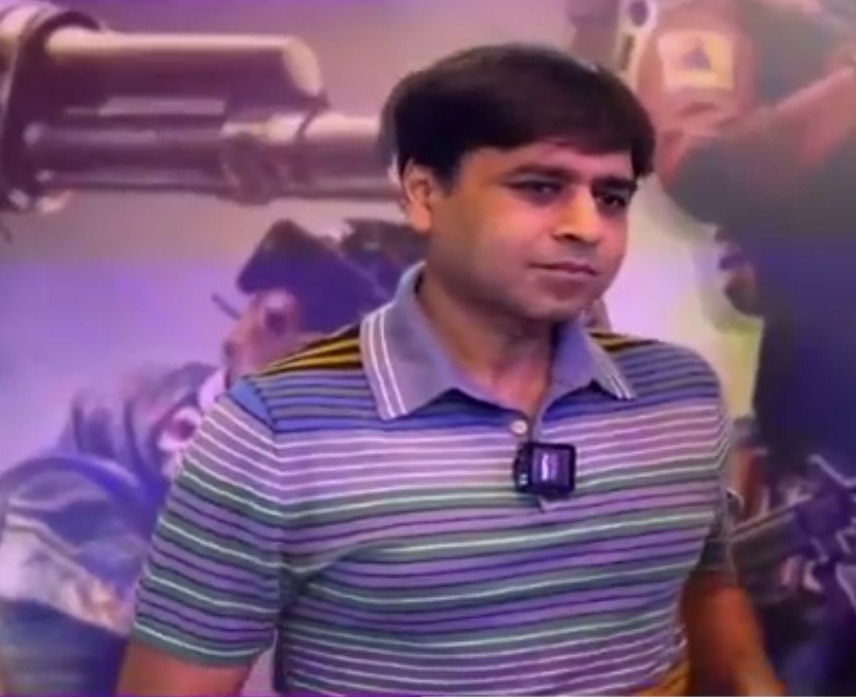
At the WAVES 2025 Summit in Mumbai, Nazara Technologies took center stage by officially launching FAU-G: Domination, an Indian-made multiplayer shooter presented alongside Bollywood star Akshay Kumar. Beyond the game’s release, Nazara showcased its popular learning platform, Kiddopia, to Prime Minister Narendra Modi and highlighted the company’s rapid global expansion. CEO Nitish Mittersain(above) reinforced Nazara’s industry leadership during key panel discussions, announcing that the company is building a massive war chest to target major global gaming acquisitions valued between $100 million and $500 million.
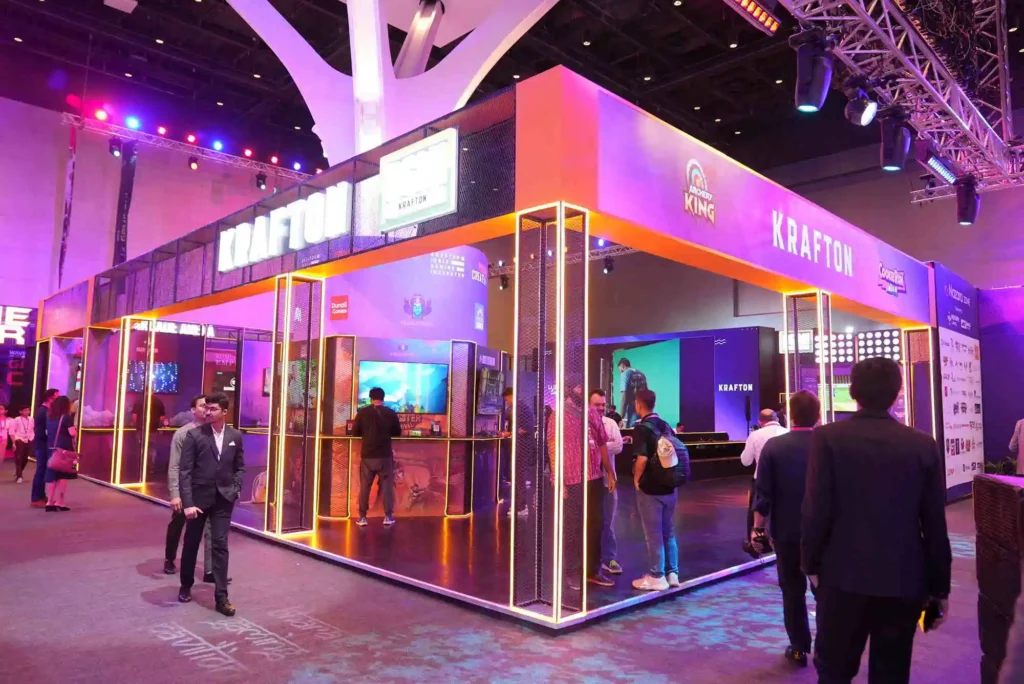
Krafton made a massive impact at the WAVES 2025 summit in Mumbai by showcasing 13 games, including Battlegrounds Mobile India (BGMI) and 9 titles from local Indian studios. The gaming giant hosted an exclusive experience zone featuring the BGMI Solo Domination tournament, which gave fans a chance to win daily prizes and merchandise. To solidify its long-term commitment to the region, Krafton’s global leadership also announced a massive $170 to $200 million investment pledge to further nurture and scale Indian gaming and tech startups.

At the WAVES 2025 Summit in Mumbai, Meta showcased advanced AI capabilities, next-generation creator tools, and the latest Ray-Ban Meta smart glasses. The company highlighted its AI-driven Advantage+ marketing tools and supported local talent through initiatives like an AI avatar creation contest for the “Create in India Challenge.
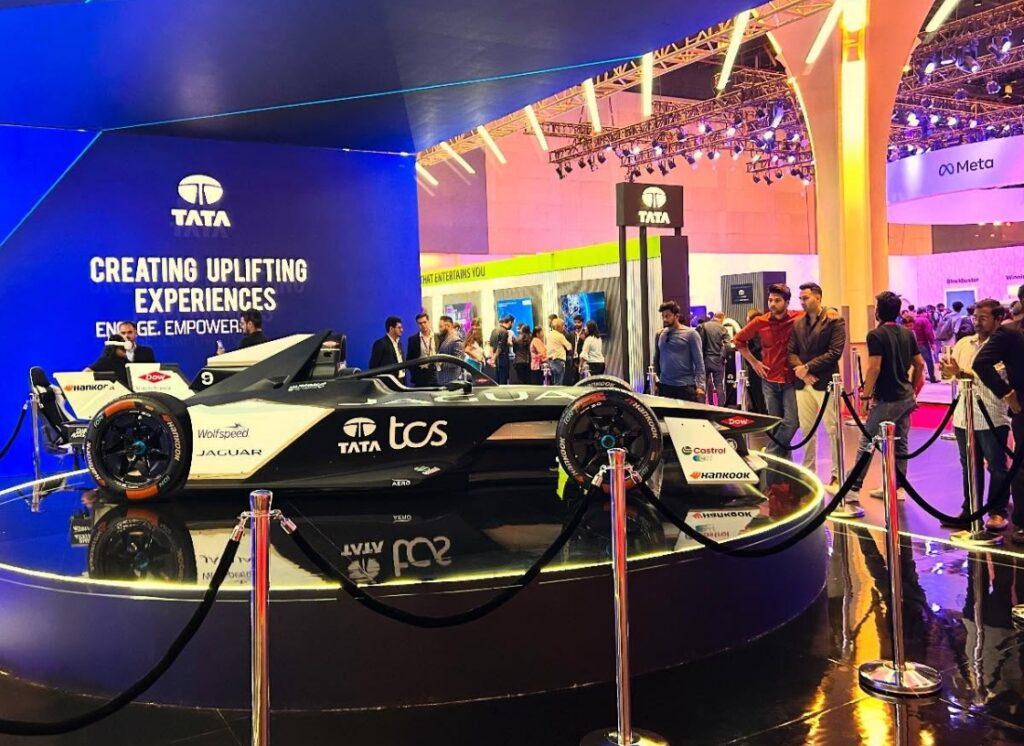
At the WAVES (World Audio Visual & Entertainment Summit) 2025, the Tata Group—represented by Tata Elxsi and Tata Communications—served as a primary technology anchor within the massive Bharat Pavilion at Mumbai’s Jio World Convention Centre. Operating under the pavilion’s central theme of “Kala to Code,” Tata showcased cutting-edge innovations that bridge India’s traditional cultural storytelling with modern digital mediums. This included Tata Elxsi’s live demonstrations of GameSense, an AI-powered, mobile-first sports entertainment ecosystem, alongside advanced immersive 2D/3D animation, VFX, and interactive content platforms designed to scale India’s global media footprint.
PVR INOX showcased its industry leadership at the WAVES 2025 Summit (World Audio Visual & Entertainment Summit) in Mumbai, where Founder and Managing Director Ajay Bijli strongly advocated for the “theatrical first” model of cinema releases. The four-day event, inaugurated by Prime Minister Narendra Modi, brought together major entertainment pioneers to discuss building creative economies, driving global content exposure, and managing the evolving relationship between big-screen blockbusters and streaming platforms.